Why clean water matters: what 2.1 billion people are still missing
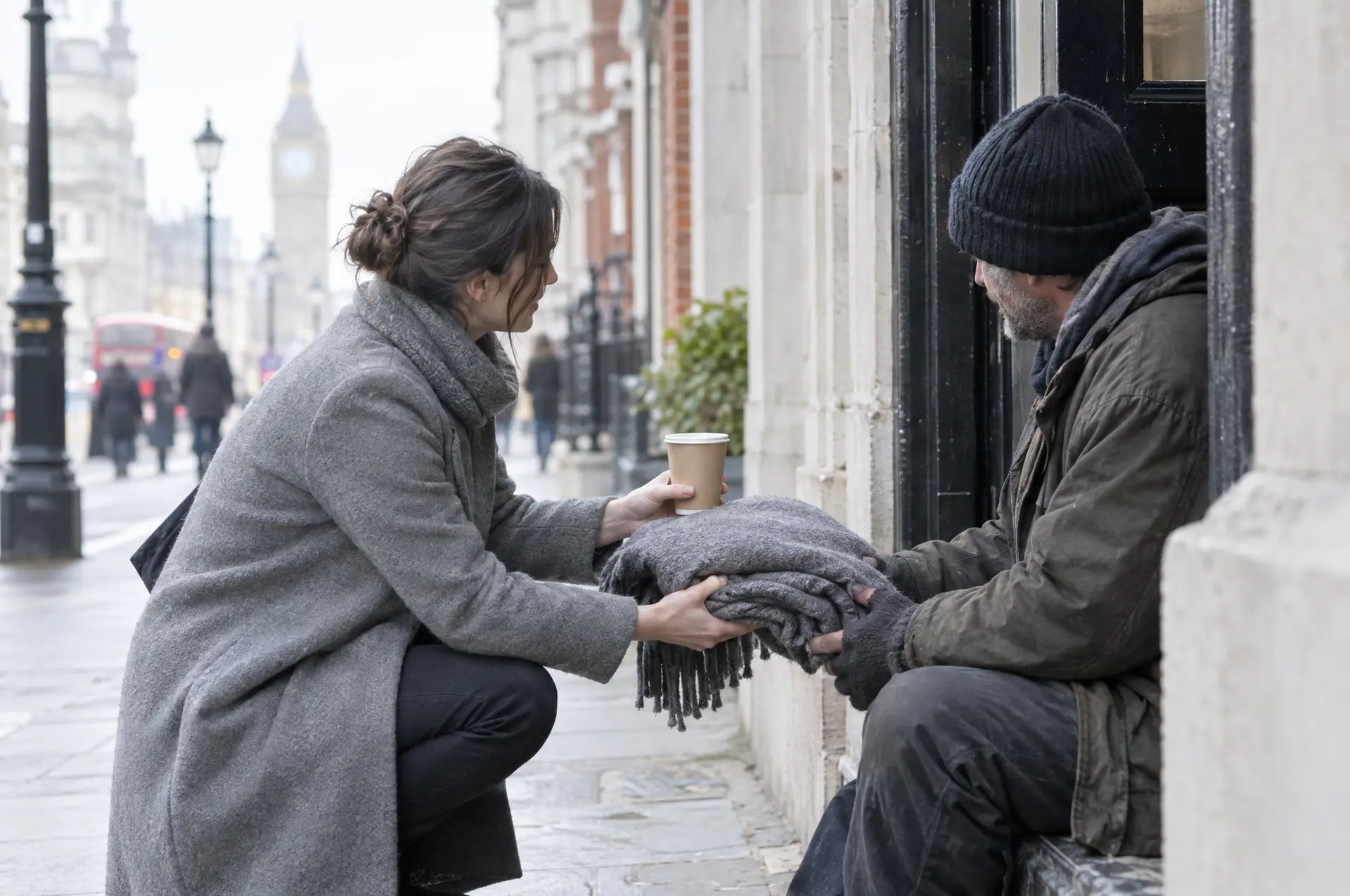
Turning on a tap is so ordinary here that it is easy to forget how much depends on it. For one in four people in the world, safe water at home is still out of reach.
Illustrative image.
The short answer
Clean water matters because it prevents disease, frees time (usually women's and girls' time) that would otherwise be spent collecting water, keeps children in school and lets families work and live with dignity. According to WHO and UNICEF, 2.1 billion people still lack safely managed drinking water, including 106 million who drink untreated surface water.
Key points
- 2.1 billion people, one in four worldwide, lack safely managed drinking water (WHO/UNICEF, 2025).
- 106 million people still drink directly from rivers, lakes and ponds.
- 3.4 billion people lack safely managed sanitation.
- Clean water affects health, education, income and safety all at once.
- Lasting projects depend on local partners, maintenance and community ownership.
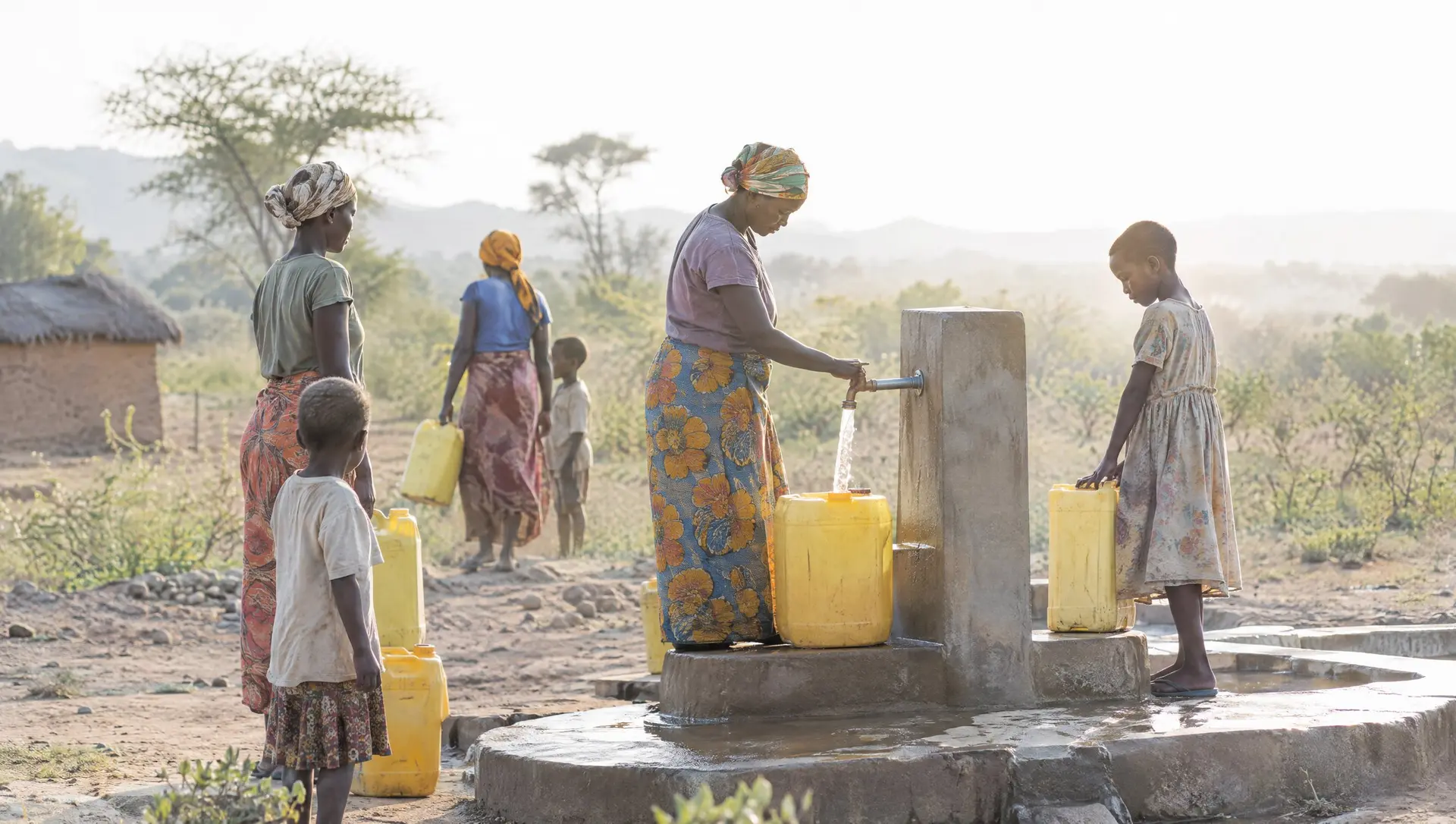
Imagine starting every day with a walk to collect water, then carrying it home, knowing it might make your children ill. For hundreds of millions of families this is not a thought experiment. It is the morning routine.
The numbers, from the people who measure them
The most reliable global picture comes from the WHO/UNICEF Joint Monitoring Programme, which has tracked water, sanitation and hygiene since 1990. Its 2025 report (opens in a new tab) found that:
- 2.1 billion people, one in four worldwide, still lack safely managed drinking water.
- Of those, 106 million drink directly from untreated surface water such as rivers, ponds and lakes.
- 3.4 billion people lack safely managed sanitation, including 354 million who practise open defecation.
- 1.7 billion people lack basic hygiene services at home, such as somewhere to wash hands with soap and water.
Safely managed has a precise meaning: water that is available at home when needed and free from contamination. It is a high bar, and the right one.
Why clean water changes everything
Health
Contaminated water spreads diseases such as cholera, typhoid and dysentery. Diarrhoeal disease linked to unsafe water, sanitation and hygiene remains a leading cause of illness and death among young children, according to the World Health Organization (opens in a new tab). Safe water, together with sanitation and handwashing, is one of the most effective public health measures there is.
Time, school and work
Where water is not piped to the home, someone has to fetch it. That responsibility falls mostly on women and girls. Hours spent walking to a water point are hours not spent in school, earning a living or resting. A reliable source close to home gives that time back.
Dignity and safety
Clean water and decent sanitation are about dignity as much as health. Long walks, often early or late in the day, can also put women and girls at risk. Having water close by makes daily life safer.
What makes a water project last
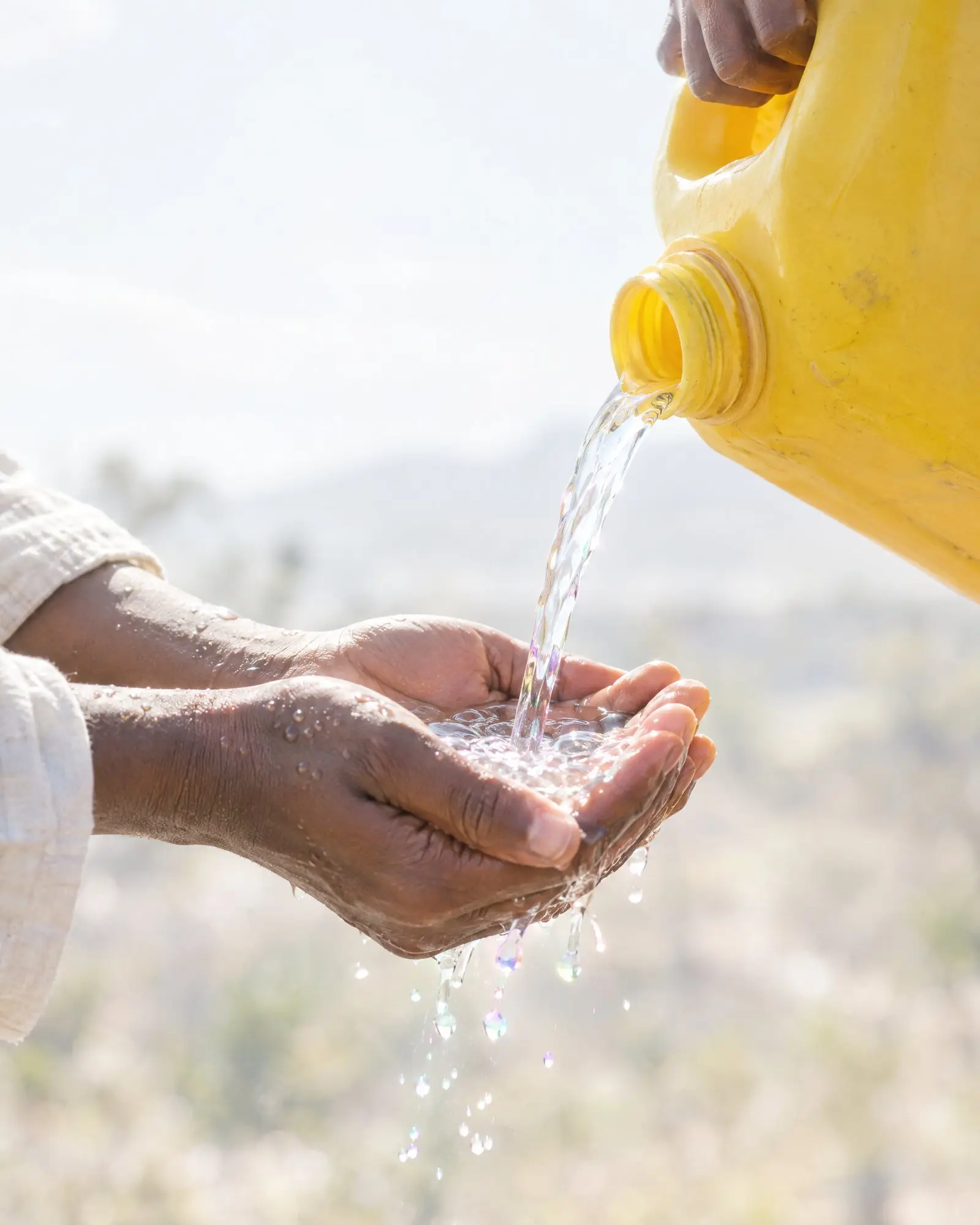
Building a water point is only the beginning. The projects that keep working for years tend to share a few things: they are chosen with the community, they are built by people who know the local geology and water table, and there is a plan and budget for maintenance and repair. We explain this in more detail in how clean water projects actually work.
For donors in the UK, the most useful question to ask is simple: who will look after this when the ribbon has been cut?
How you can help
- Give to organisations that work with experienced local partners and publish what they deliver.
- Ask how a project will be maintained, and who is responsible for repairs.
- Share accurate information. Clear facts are more persuasive than dramatic ones.
The Light Of God's first international campaign aims to raise £5,000 for clean water, delivered through experienced and reputable partners. We have not chosen a partner or started delivery yet, and we will report openly on every step. You can follow the campaign or give today.
Questions people ask
How many people do not have clean water?
According to the WHO/UNICEF Joint Monitoring Programme's 2025 report, 2.1 billion people, about one in four worldwide, lack safely managed drinking water. That includes 106 million people who drink untreated surface water.
Why is clean water important?
Clean water prevents disease, gives time back to families (especially women and girls who often collect water), helps children stay in school and supports work, dignity and safety.
What does safely managed drinking water mean?
It means drinking water from a source on the premises, available when needed and free from contamination. It is the standard used by WHO and UNICEF to measure progress.
How can I donate to a clean water charity in the UK?
Choose an organisation that works with experienced local partners, explains how projects are maintained, and reports on what it has delivered. Check it on the Charity Commission register where it is registered.
Sources
- Progress on household drinking water, sanitation and hygiene 2000–2024, WHO/UNICEF JMP
- 1 in 4 people globally still lack access to safe drinking water, World Health Organization
- Drinking-water fact sheet, World Health Organization
- JMP report 2025, UNICEF Data
Last reviewed . Spotted something out of date? Tell us through our contact page.