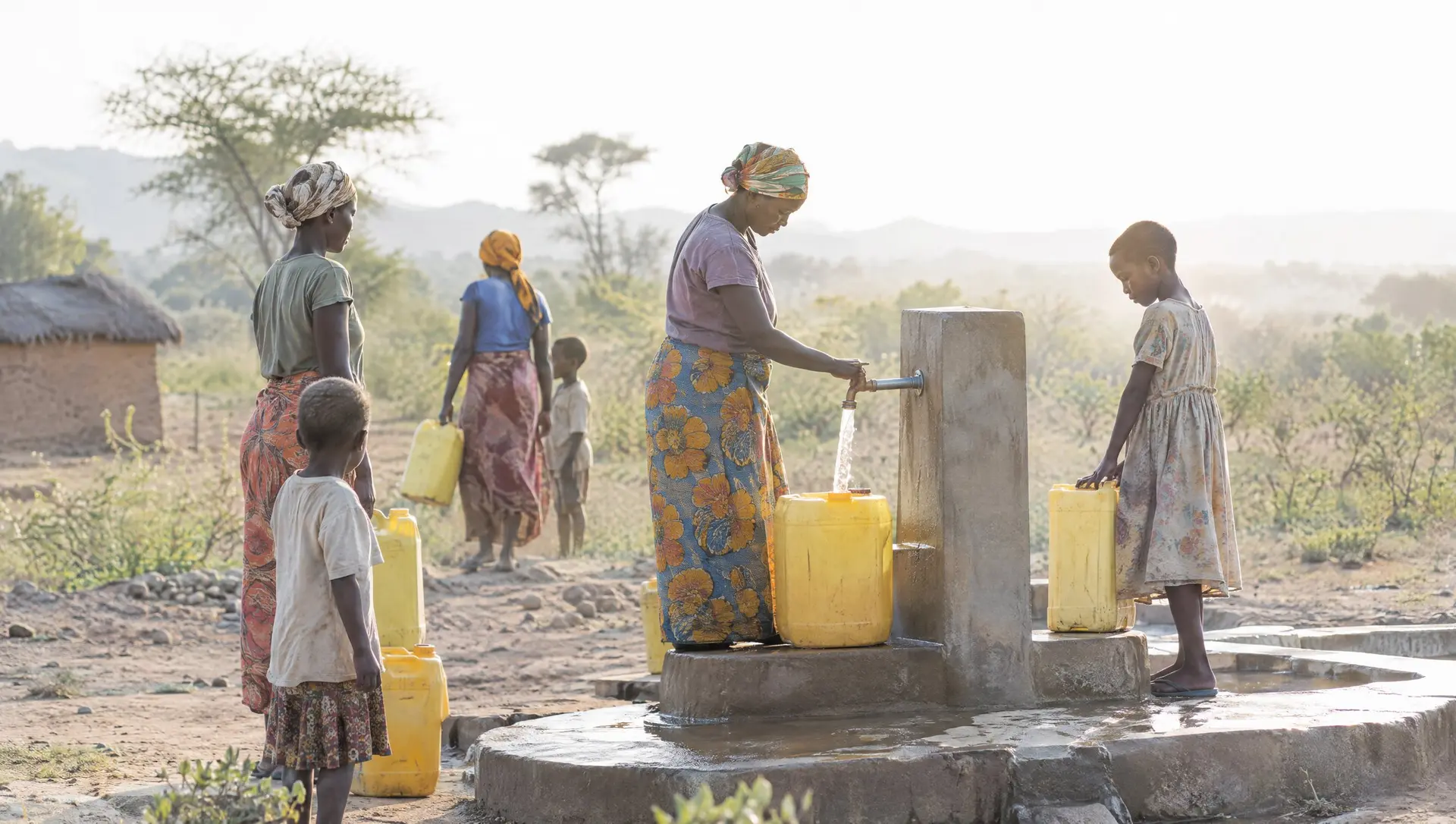
Wells, boreholes and taps: how clean water projects actually work
Behind every photograph of a working tap is a series of decisions about geology, ownership and repair. Understanding them makes you a better donor.
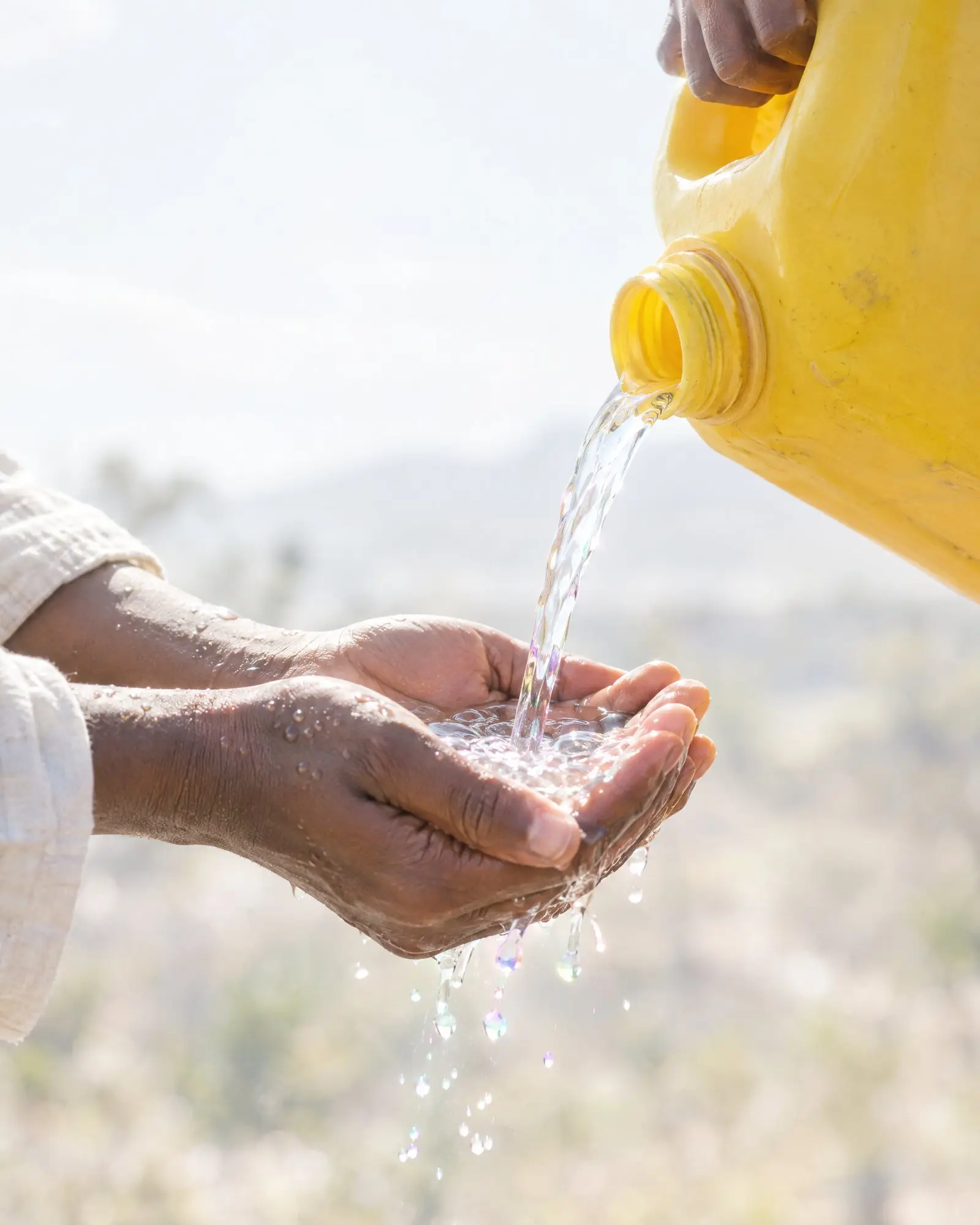
Illustrative image.
The short answer
Clean water projects bring safe water closer to homes using the right technology for the place: protected hand-dug wells, drilled boreholes with hand pumps or solar pumps, rainwater harvesting, spring protection or small piped networks. The projects that last are chosen with the community and have a clear plan and budget for maintenance and repair.
Key points
- There is no single best technology. The right one depends on geology, rainfall and population.
- Boreholes reach deeper groundwater and are usually more reliable than shallow wells.
- Maintenance, spare parts and local ownership decide whether a water point keeps working.
- Water quality testing should happen before and after a source is opened.
- Ask any water charity who repairs the pump when it breaks.
When we talk about "building a well", we are using shorthand for a much richer set of choices. The right answer in a mountain village is different from the right answer on a dry plain or in a crowded town. Here is a plain-English tour of the main options, and the questions that matter most.
The main technologies
Protected hand-dug wells
Dug by hand to reach shallow groundwater, then lined, sealed at the top and fitted with a pump or covered bucket system. Cheaper, but shallow water can dry up in the dry season and is more vulnerable to contamination.
Boreholes
Narrow holes drilled by machine, often tens of metres deep, to reach aquifers below. Fitted with a hand pump for smaller communities or a solar or motorised pump feeding taps for larger ones. More expensive, usually more reliable.
Spring protection
Where water emerges naturally from a hillside, a spring box can capture and protect it from contamination, then pipe it to a collection point.
Rainwater harvesting
Gutters and storage tanks on schools, clinics and homes capture rain. Useful where rainfall is reliable, often alongside another source.
Small piped schemes
A borehole or spring feeds a storage tank and a network of taps, bringing water closer to more homes. These need more management, often through a local water committee or utility.
What happens before anyone digs
Good projects start with listening. The community says where water is needed and who will use it. Hydrogeologists survey the ground to judge where water is likely and how deep. Local government plans are checked, so the new source fits into wider services rather than competing with them.
Water quality is tested before a source is opened and at intervals afterwards. Some groundwater naturally contains substances such as fluoride or arsenic, so testing is not a formality.
Why maintenance decides everything
A water point that breaks and is never repaired helps no one. Researchers and practitioners, including the Rural Water Supply Network (opens in a new tab), have long highlighted that a significant share of rural hand pumps are out of action at any one time. The causes are rarely mysterious: no budget for spare parts, no trained mechanic nearby, or unclear responsibility.
The projects that last usually have a water committee or service provider, a small user fee or other funding set aside for repairs, access to spare parts and a mechanic, and monitoring so that breakdowns are noticed quickly.
Water, sanitation and hygiene belong together
Clean water does the most good when it comes with safe toilets and somewhere to wash hands. That is why the sector talks about WASH: water, sanitation and hygiene. Many strong projects include latrines at schools and clinics, and hygiene education led by local people.
How we intend to work
The Light Of God will not drill wells ourselves. Our first clean water campaign aims to raise £5,000, to be delivered through an experienced, reputable partner that works with communities, tests water, and plans for maintenance. We have not selected that partner yet. When we do, we will publish who they are, what the money will fund and how it is going. You can read about the campaign and see our commitments on transparency.
Questions people ask
What is the difference between a well and a borehole?
A well is usually dug by hand to reach shallow groundwater. A borehole is drilled by machine, often much deeper, to reach an aquifer. Boreholes tend to be more reliable through dry seasons.
Why do water pumps stop working?
Most often because there is no budget for spare parts, no trained mechanic nearby, or no clear responsibility for repairs. Strong projects plan for maintenance from the start.
What is WASH?
WASH stands for water, sanitation and hygiene. Safe water works best alongside safe toilets and handwashing facilities.
Sources
- Rural Water Supply Network, RWSN
- Progress on household drinking water, sanitation and hygiene 2000–2024, WHO/UNICEF JMP
- Drinking-water fact sheet, World Health Organization
Last reviewed . Spotted something out of date? Tell us through our contact page.